
Home / For Athletes / College Recruiting
Guideline · grades 10–12 & transfers
College Recruiting
Well over 1,000 colleges in the US and Canada field athletic teams. The goal isn't any scholarship — it's the right level, the right coach and the right degree.
01 —Know the levels
| Level | What it means | Athletic aid |
|---|---|---|
| NCAA Division I | ~360 schools, the biggest budgets and stages (Big Ten, SEC, Big East…). | Full scholarships possible; at settlement schools the old per-sport limits are gone, and revenue sharing runs at participating schools since July 2025. |
| NCAA Division II | ~300 schools, strong competition with more balance between sport and study. | Partial "equivalency" scholarships, often combined with academic aid. |
| NCAA Division III | ~415 schools, academics first. | No athletic scholarships — merit and need-based aid only. |
| NAIA | 230+ smaller colleges with flexible rules. | Athletic scholarships, often stacked with academic awards. |
| NJCAA / JUCO | Two-year colleges — the classic springboard to a four-year school. | Athletic scholarships; transfer after one or two seasons. |
| U SPORTS / CCAA | Canadian universities and colleges. | Athletic awards, usually smaller; excellent degrees. |
PSA has placed athletes at every one of these levels — see the roster.
02 —The recruiting calendar
- Grade 9–10: grades and core courses, first film, club and national-team exposure.
- Summer before grade 11: full highlight video and scouting report. Open an NCAA Profile Page early and move to a certification account when a D1 or D2 school recruits you.
- Grade 11: most D1 coaches can call and message from June 15 after sophomore year and meet off campus from Aug 1 of junior year (basketball and some other sports differ); PSA presents the athlete to programs that are recruiting that position.
- Grade 11–12: English test, calls with coaches, unofficial and official visits, offers.
- Grade 12: sign the athletics aid agreement, admission, I-20, F-1 visa, travel.
Start early
US colleges rarely sign players who are two or three seasons away. It can take about two years to find the best-fitting scholarship — contact us in grade 11 at the latest.
03 —Film, data, references
A coach decides in the first 60 seconds of your video whether to keep watching. PSA builds:
- Highlight film — your best plays first, position-specific, under five minutes, plus full-game footage on request.
- Scouting report — compiled from your matches and tournaments.
- Measurement & condition report — tested in a dedicated facility.
- References — coaches, national-team staff, teachers.
04 —Offers, visits & signing
Offers come in many forms — full, partial, academic plus athletic, verbal or written. PSA compares them for the family: total cost after aid, playing time, the coach's plan, the degree and the conference.
Division I dropped the National Letter of Intent in 2024; athletes now sign a written athletics aid agreement with the school. Check the current process with any Division II school. The NAIA has no national letter of intent; schools and conferences use their own, so ask how yours works. Nothing is final until it's in writing — we read every line with you.
05 —Transfers & second chances
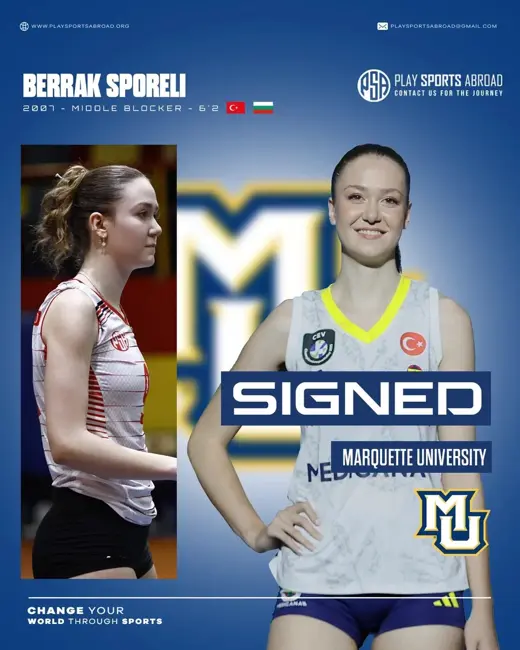
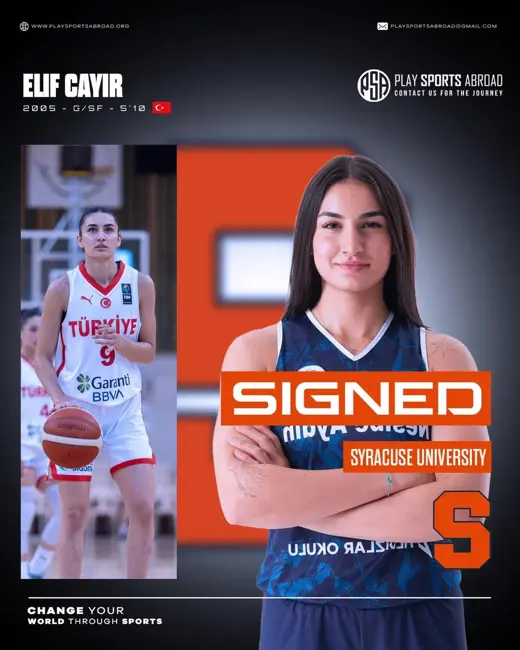
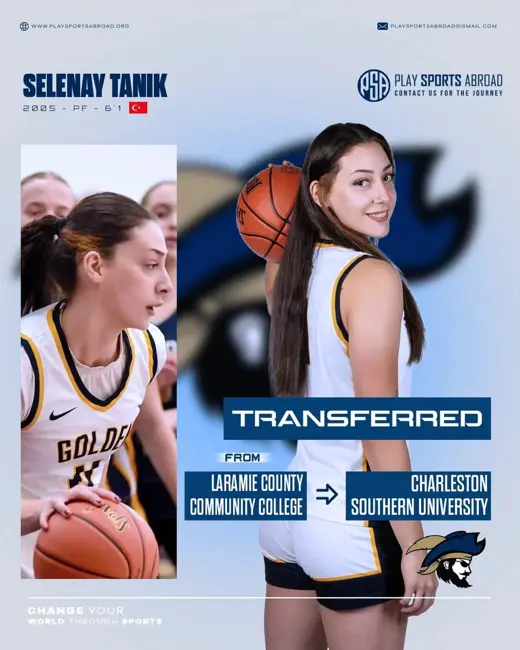
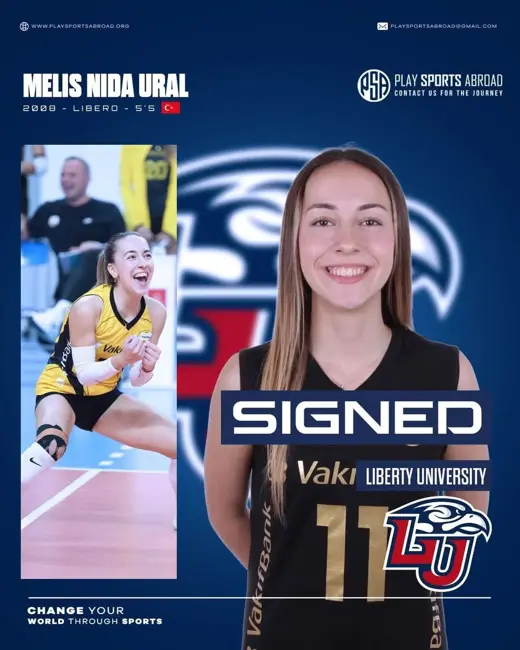
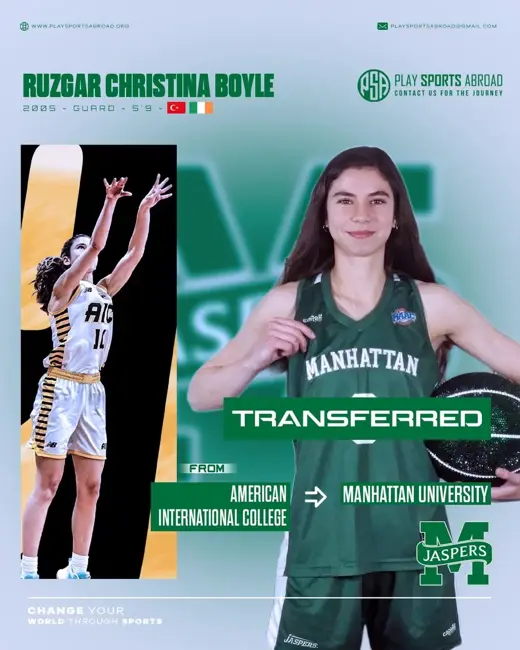
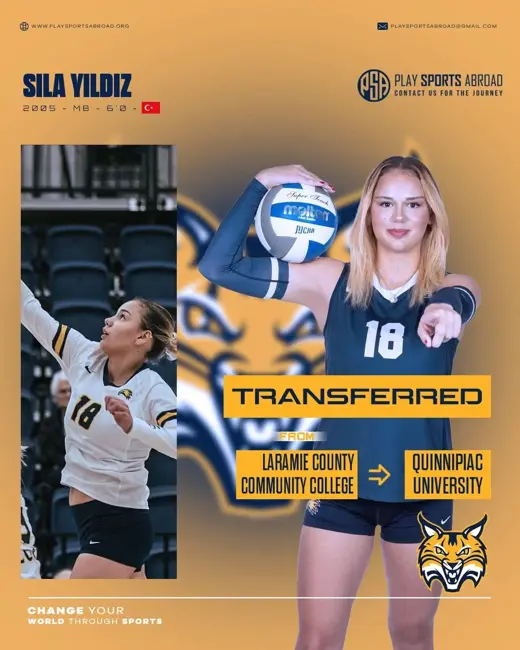
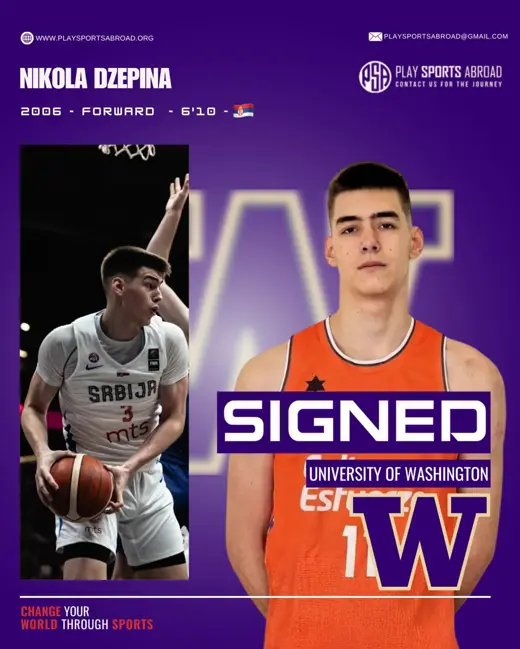
Not every first school is the last. PSA athletes have moved from JUCO to Division I (Özge Tan: Dodge City → Lindenwood), from mid-majors to the Big East (Berrak Sporeli → Marquette) and across the country for a better role. We manage portal timing, transfer notification and eligibility so a transfer is a step up, not a gamble.
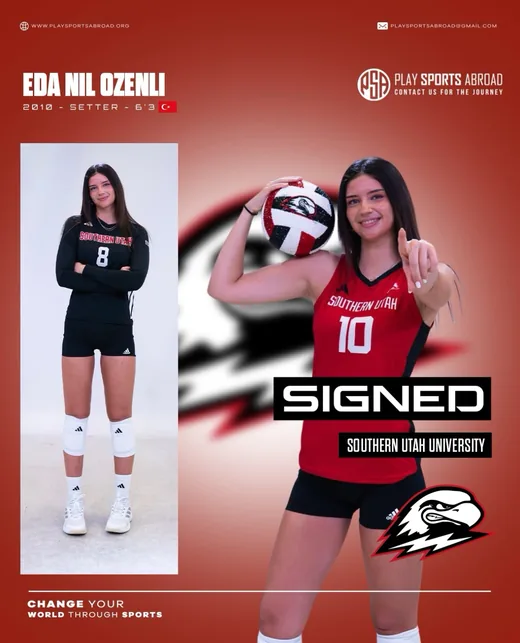
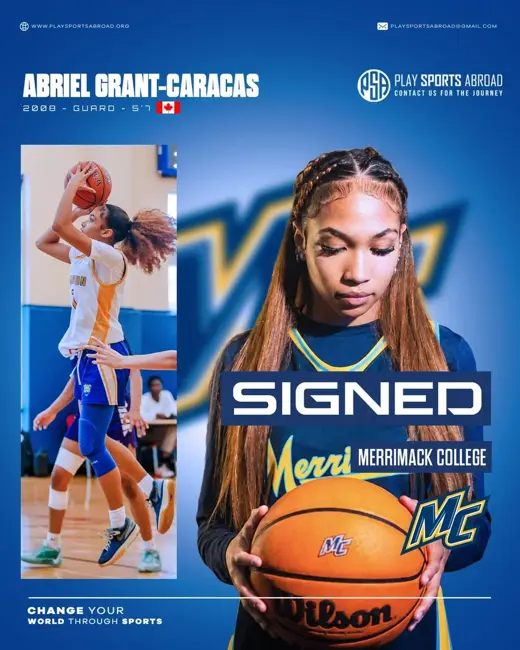
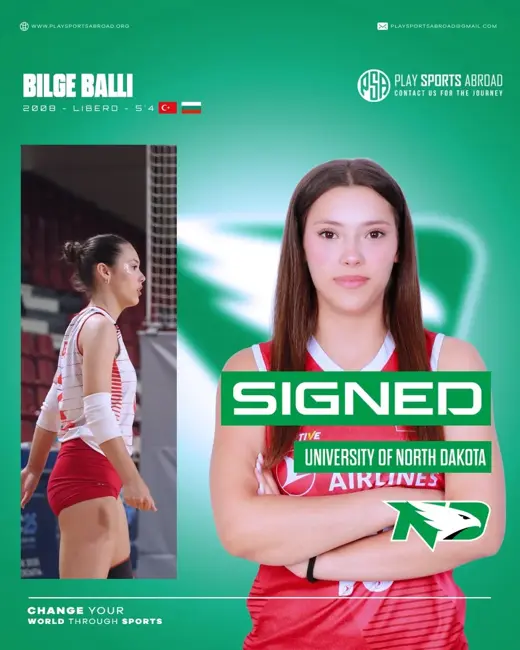
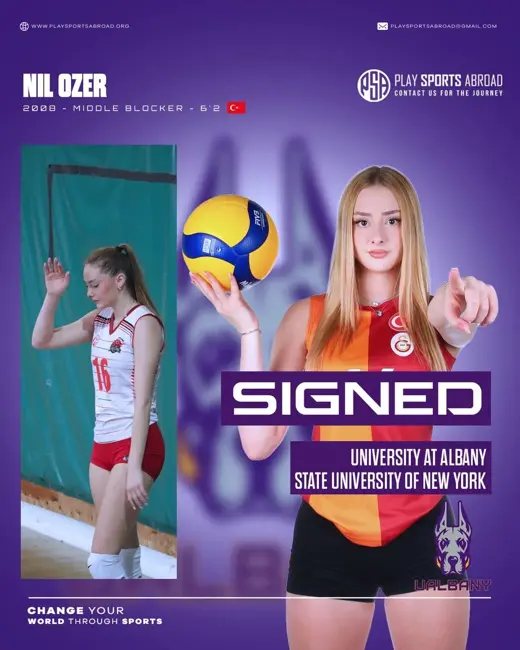
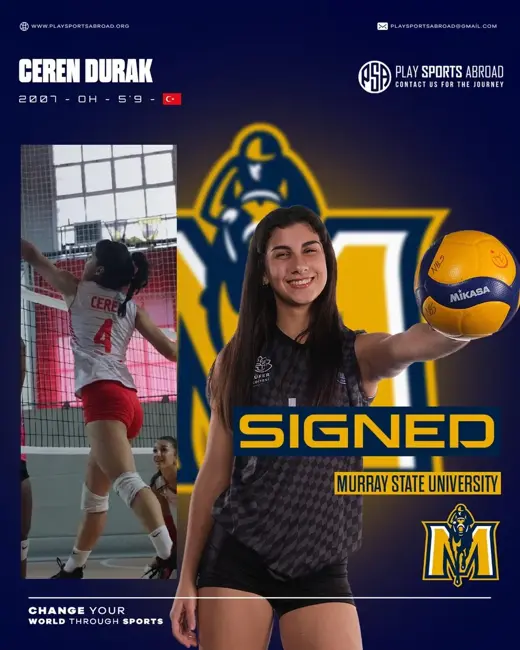
Recent Division I signings
All D1 athletes →Proof, not promises.
PSA athletes by level
Every level, every year.

Questions about
your case?
Book a free one-hour evaluation with the PSA team. We'll tell you honestly where you stand — and which doors can open.