
Home / For Athletes / NIL
Name · Image · Likeness
NIL & the new era
Since 2021 college athletes can earn from their name, image and likeness — and since 2025 Division I schools can share revenue directly with athletes. International athletes have one extra rulebook: immigration law.
01 —What NIL is
NIL lets an athlete be paid for the use of their name, image and likeness — sponsorships, social-media campaigns, appearances, camps, autographs, merchandise. Pay-for-play remains banned. It has been allowed across the NCAA since July 2021.
Since the 2025 House settlement, Division I schools that opt in may also pay athletes directly through revenue sharing. All D1 athletes report third-party deals of $600 or more through NIL Go, run by the College Sports Commission.
02 —The F-1 visa catch
Read this before signing any NIL deal
The NCAA's international student-athlete handbook says F-1 athletes may not do NIL deals while in the US. F-1 work is limited to narrow categories such as on-campus work, CPT and OPT.
- The same handbook says NIL activity outside the country is generally not considered an F-1 violation — for example during breaks at home. Consult your school's DSO first.
- Some advisers treat passive licensing income differently, but DHS has published no guidance on NIL.
- Revenue-sharing payments for international athletes raise their own questions.
Rules and interpretations are still evolving. PSA works with immigration counsel and the school's compliance office so every deal is structured before it is signed.
03 —PSA NIL representation
PSA represents athletes on NIL: valuation, brand matching, contract review and compliance — always alongside the school. Vladimir Pavlović signed with California (Berkeley) in 2023 with an NIL agreement secured through PSA.
04 —High-school NIL
High-school NIL depends on the state and the school's athletic association — allowed in many states, restricted in others. Prospects heading to Division I must report deals of $600 or more after enrolling. Before an athlete under 18 signs anything, PSA checks state rules, school policy and the visa angle with the family.
05 —Building your brand
- Keep your social accounts clean, consistent and public-friendly — coaches and brands check them, and the US embassy asks F-1 applicants to set their accounts to public.
- Post your work: training, games, school life. Tag your club and school.
- Your story is an asset: an international athlete from Türkiye is distinctive in an American market.
Big-stage athletes
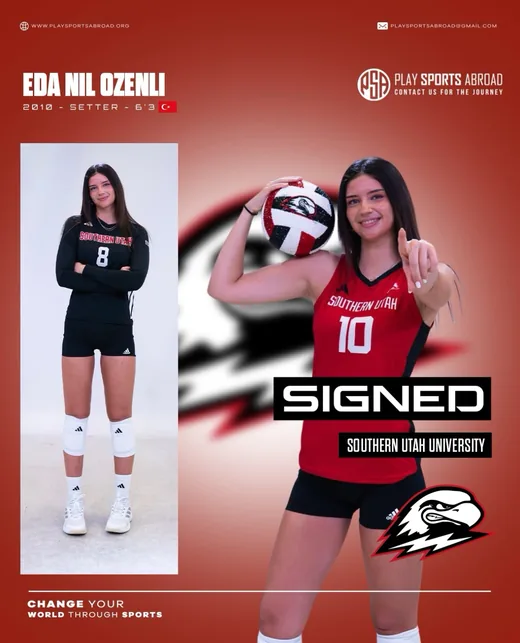
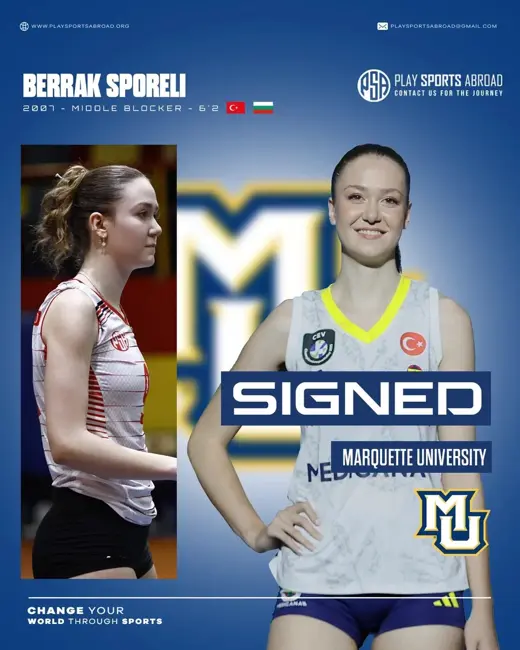
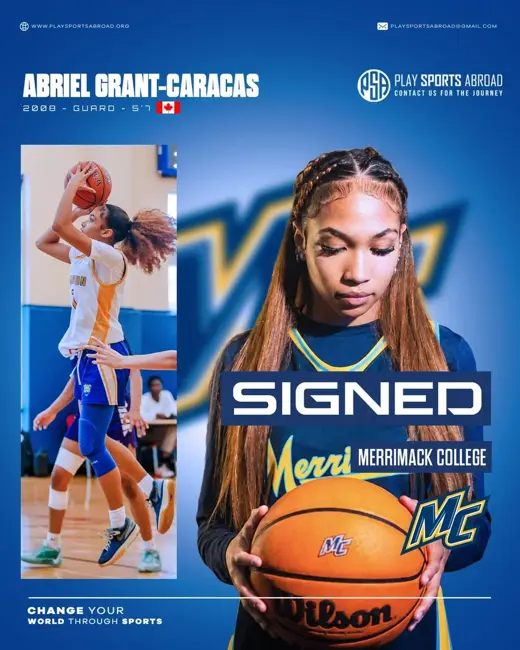
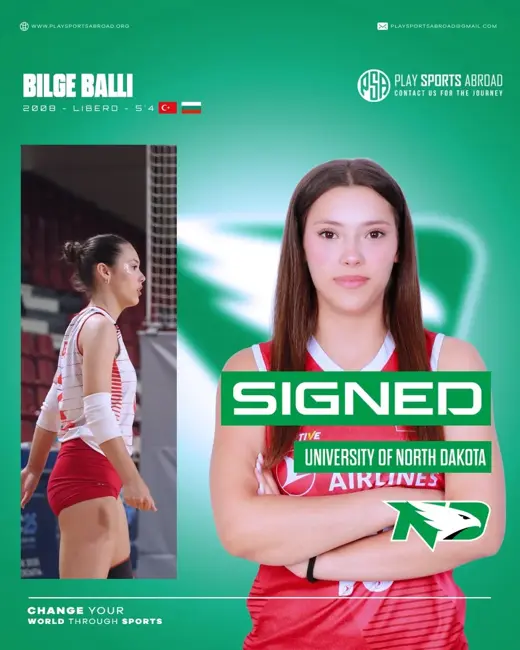
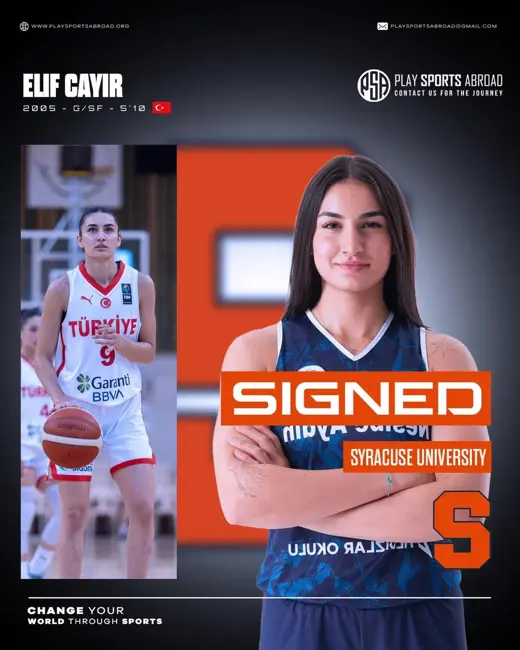
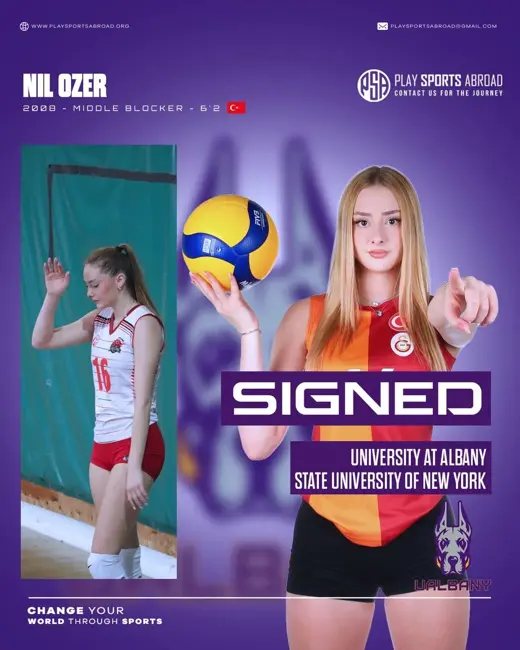
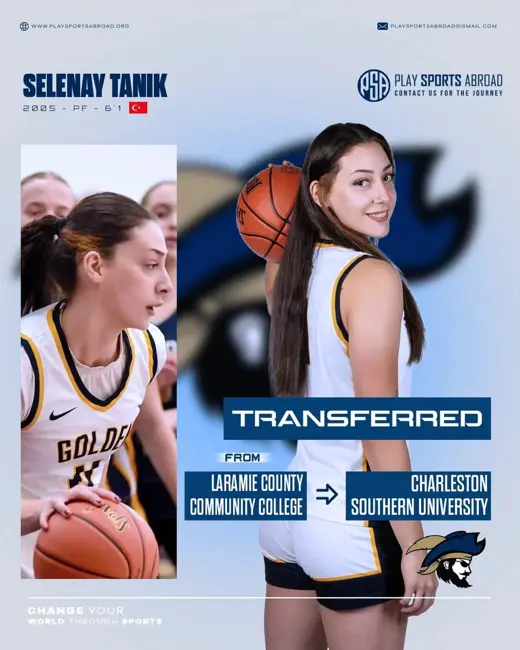
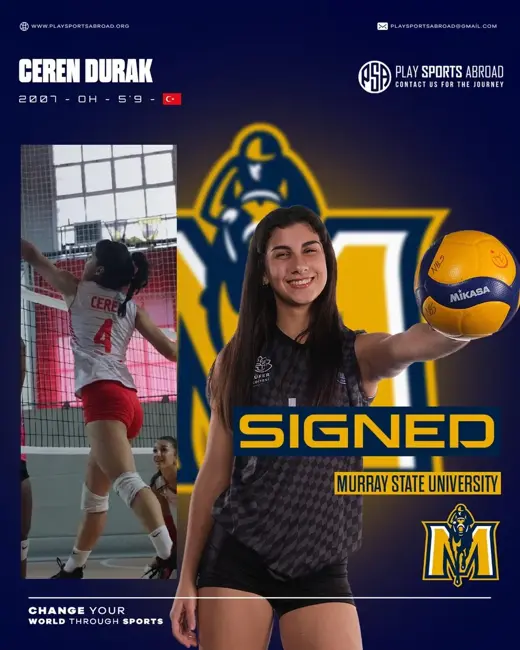
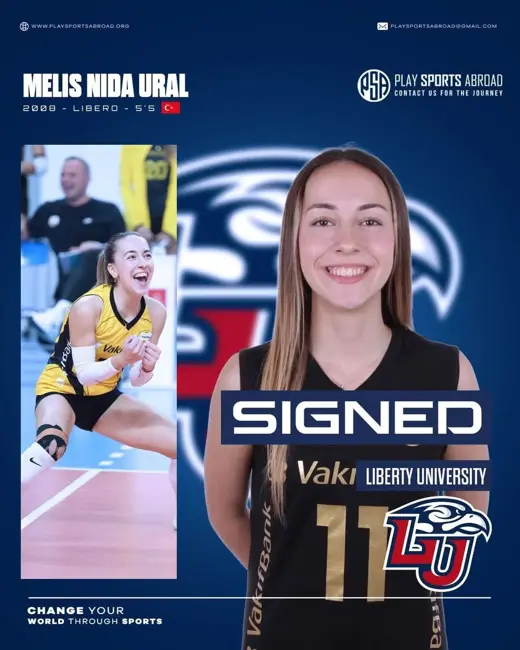
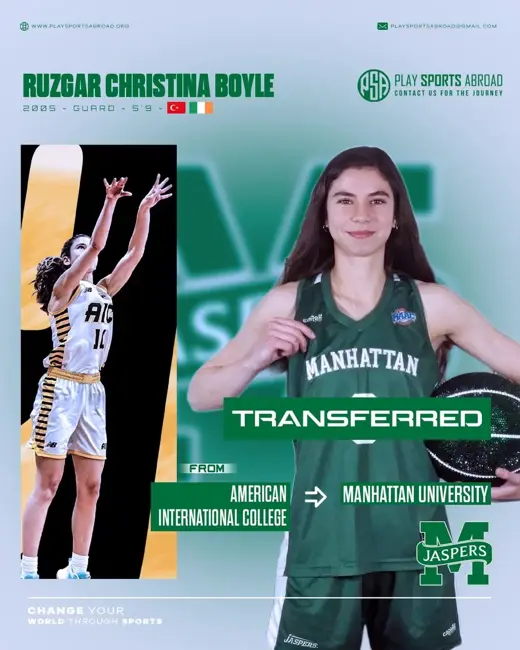
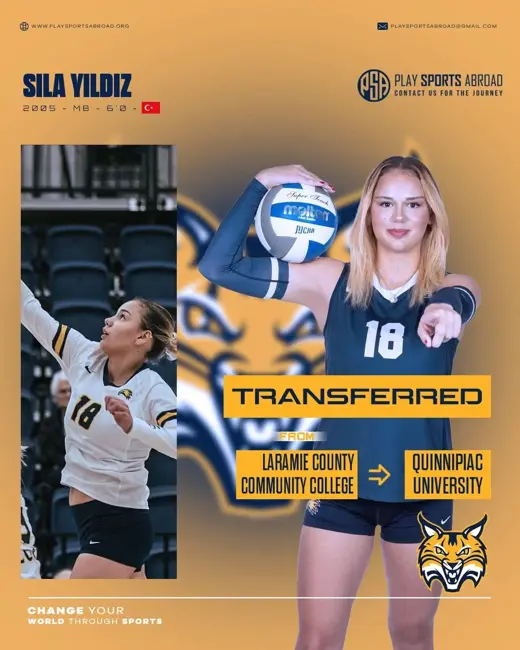
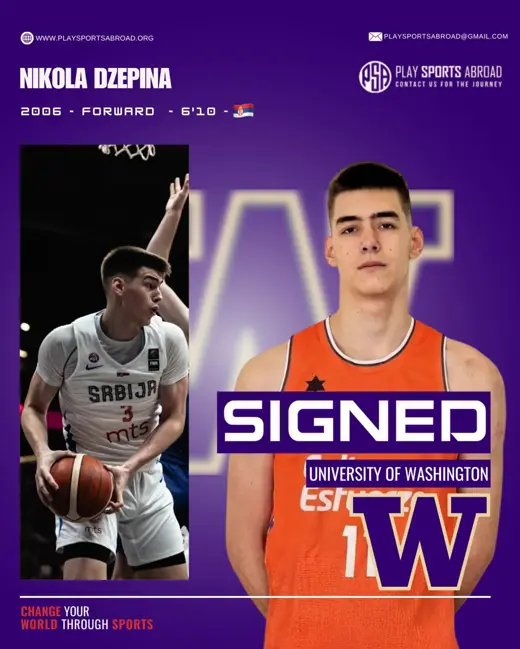
See the full roster →The NIL generation.
Questions about
your case?
Book a free one-hour evaluation with the PSA team. We'll tell you honestly where you stand — and which doors can open.